Lo-fi usability testing – Part 1: Background
You can run lo-fi usability testing in a single afternoon that will uncover 80% of the problems your product has, with only a pen, some paper and access to the software or website.
Articles about product management
You can run lo-fi usability testing in a single afternoon that will uncover 80% of the problems your product has, with only a pen, some paper and access to the software or website.
A good friend and colleague recently left our firm to take on a more senior product management role elsewhere. His boss and his boss’s boss stood next to him and gave him a glowing and sincere send-off, with the leaving speech striking that good balance between “we’re sad to see you leave” and “go out, excel and make us proud”.
Does your sales team sell your products (like, in exchange for money), or does it give them away as generous sweeteners to guarantee the sale of something else that will hit their targets? Or to put it in another way, does your salesforce truly understand the value of your products and can it articulate the benefits to the customer?
How much would you invest to prevent a mass customer exodus? Everything Everywhere, the merged T-Mobile / Orange behemoth, was happy to spend £150 per customer to shore up its customer base following the post-merger restructuring.
What did it gain? A reduction in monthly churn from 1.7% to 1.3%, significant given their customers number well into the millions, plus an additional 300,000 customers locked into long-term contracts in place of short-term pre-pay contracts.
I was discussing recently the importance of getting a product installation or upgrade process right for customers. Here are some guiding principles from a usability perspective that you may wish to consider when defining your product’s requirements.
Do you find it difficult to set appropriate financial targets for your product?

I strongly believe that all software companies should have a manifesto or a set of guidelines for usability.
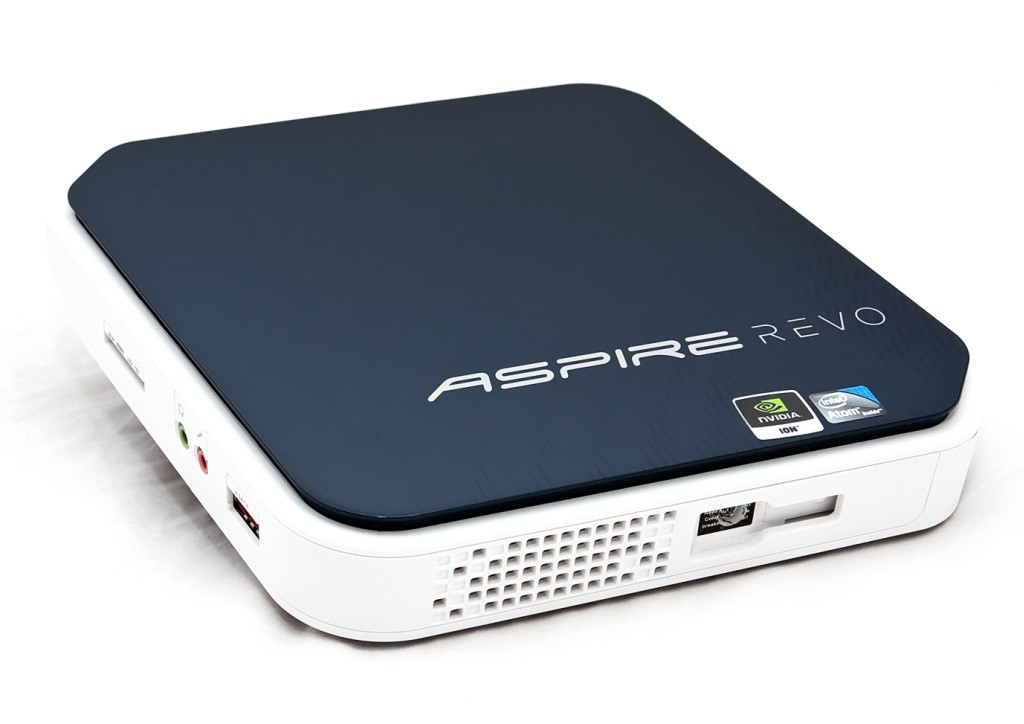
Earlier this month, I was attempting to appease my wife by reducing my server’s power consumption physical footprint. In this follow-up, I’ll give you an update on how I got on and pass on a few tips if you’re planning to do the same.
Normal I Manage Products service will be resumed in the next article!
Every now and again, I undertake a DIY tech project. I think it’s because I’m a geek at heart and I like to think to myself a little smugly, “still got it”. This time the brief actually came from my lovely wife: shrink the physical footprint and electricity consumption of the servers running 24/7 in the home office. The beige boxes are going green!
Ah, pricing. Always a thorny topic for product managers as it’s one those more subjective areas of the job. I’d love to have some kind of oracular spreadsheet that foresees how much customers would be willing to pay for my new product. Ironically, I would pay good money for such a thing…