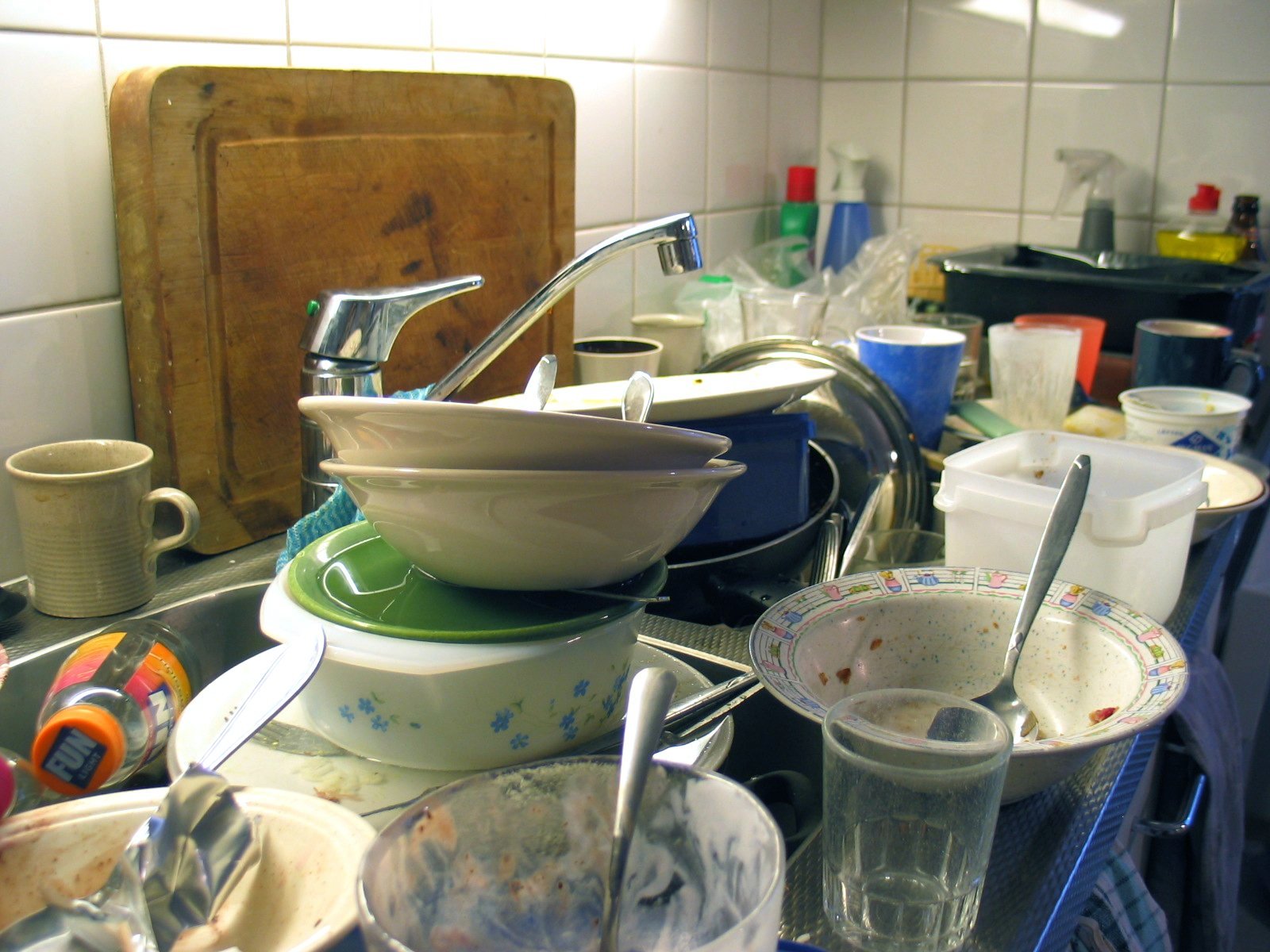
Like doing the washing-up, vacuuming under the sofa or cleaning your windows, housekeeping tasks with your product can get neglected because they’re tedious, not as interesting as new features and so on. However, if you’ve ever found yourself eating breakfast cereal out of an oven tray with a serving spoon because every single item of cutlery and crockery is festering in a pile in your sink, it should be apparent there is inherent value in tackling housekeeping tasks bit by bit over time.

Everyone seems to be hyping Big Data right now. I think we’ve reached that slightly scary point where CEOs are aware of Big Data and are beginning to think it a panacea for all business ills. But I’m asking the question: what’s the big deal with Big Data?

Empathy is something every product manager needs to be able to do their job well. Without it, it’s impossible to be sure what matters most to your target market and how valuable a solution to their problems will be. Empathise!

Does your sales team sell your products (like, in exchange for money), or does it give them away as generous sweeteners to guarantee the sale of something else that will hit their targets? Or to put it in another way, does your salesforce truly understand the value of your products and can it articulate the benefits to the customer?

Ah, pricing. Always a thorny topic for product managers as it’s one those more subjective areas of the job. I’d love to have some kind of oracular spreadsheet that foresees how much customers would be willing to pay for my new product. Ironically, I would pay good money for such a thing…

As a product manager, how do you know you’re doing your job well? This article outlines the problem with traditional metrics for product managers and offers some better alternatives for measuring success: communication, ideas, roadmapping, launch and end-of-life.