
PRODUCTHEAD: Your go-to guide for go-to-market
» Communicating your differentiated value consistently works better than a custom pitch every time » For…
Comments and advice on planning and achieving a successful product launch
» Sonos is working through a major user backlash after launching a flawed app » Pressure…

The other day, I was asked how to launch a product successfully. Two competing responses sprang…
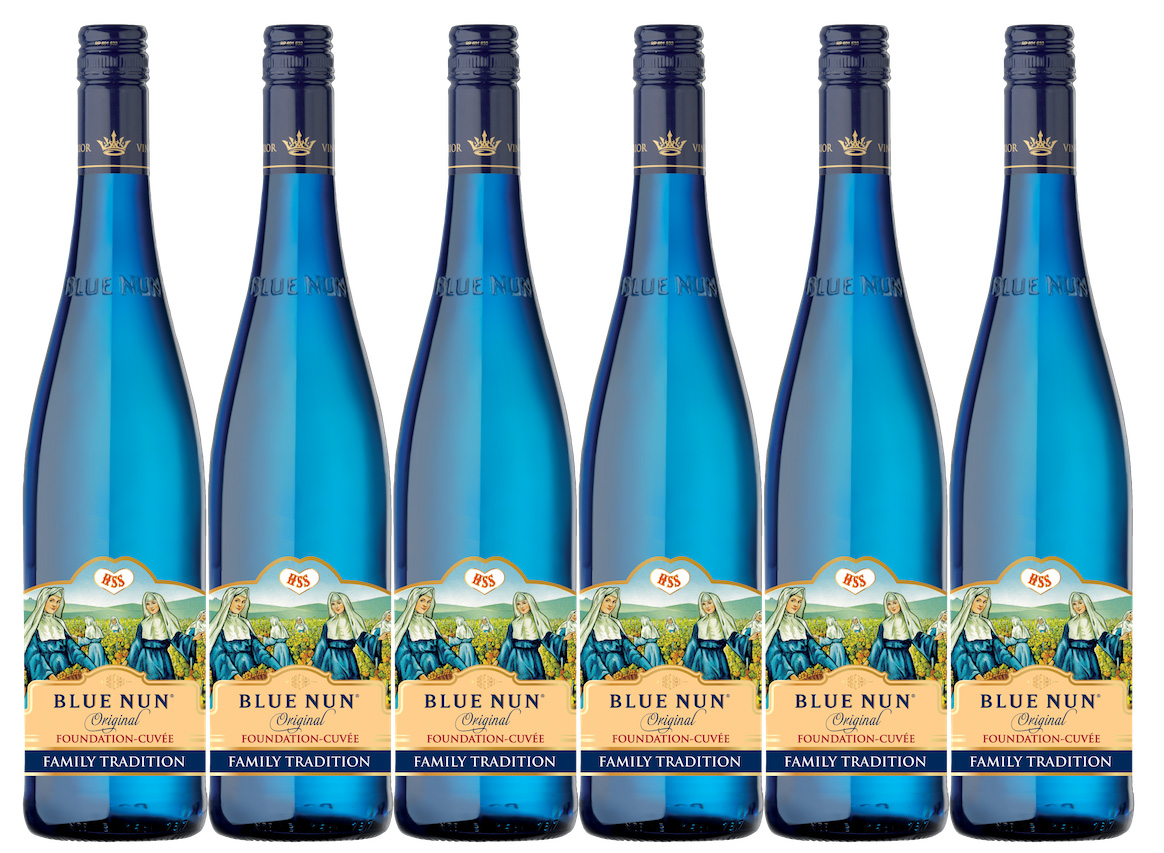
To all wannabe e-commerce entrepreneurs: you no longer have any excuse. It’s possible to fire up …

“I’m about to launch a website selling scotch whisky. Can you offer any advice?”

Last time I published an article explaining why I thought roadmaps were a little like DVD…
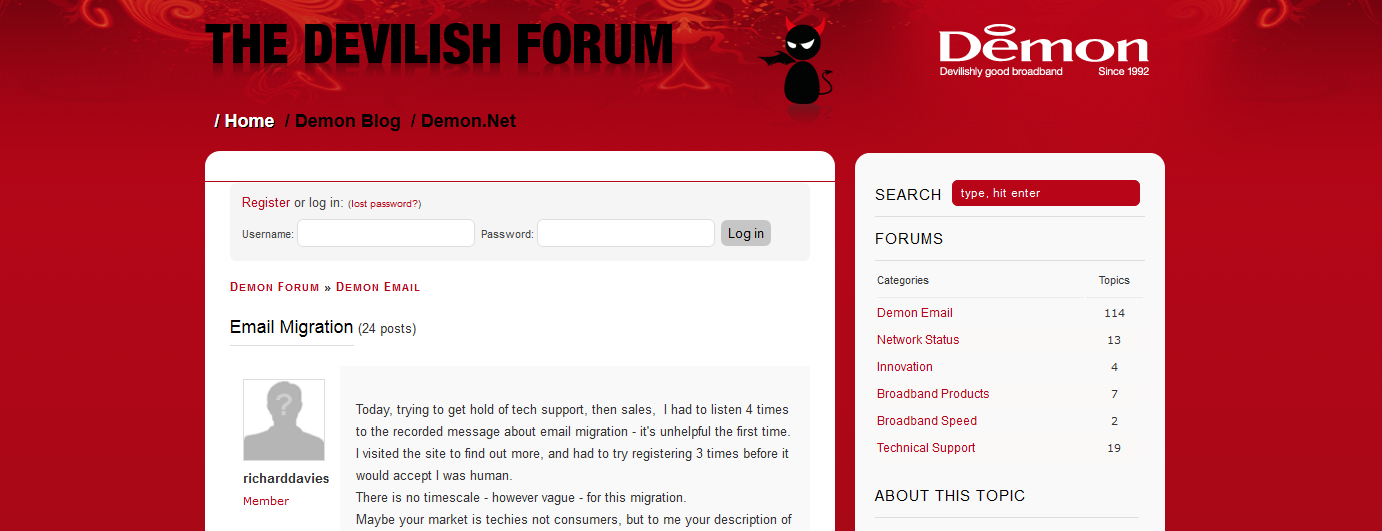
By failing to grasp the demographics of their customer base, Demon Internet appears to have scored…

We’re looking at the kinds of information that specific groups of people need to know during…

Sometimes the role of product management can be a little overwhelming. There’s often so much to…

There are many reasons why Sales may be holding back on your new product. As we…
