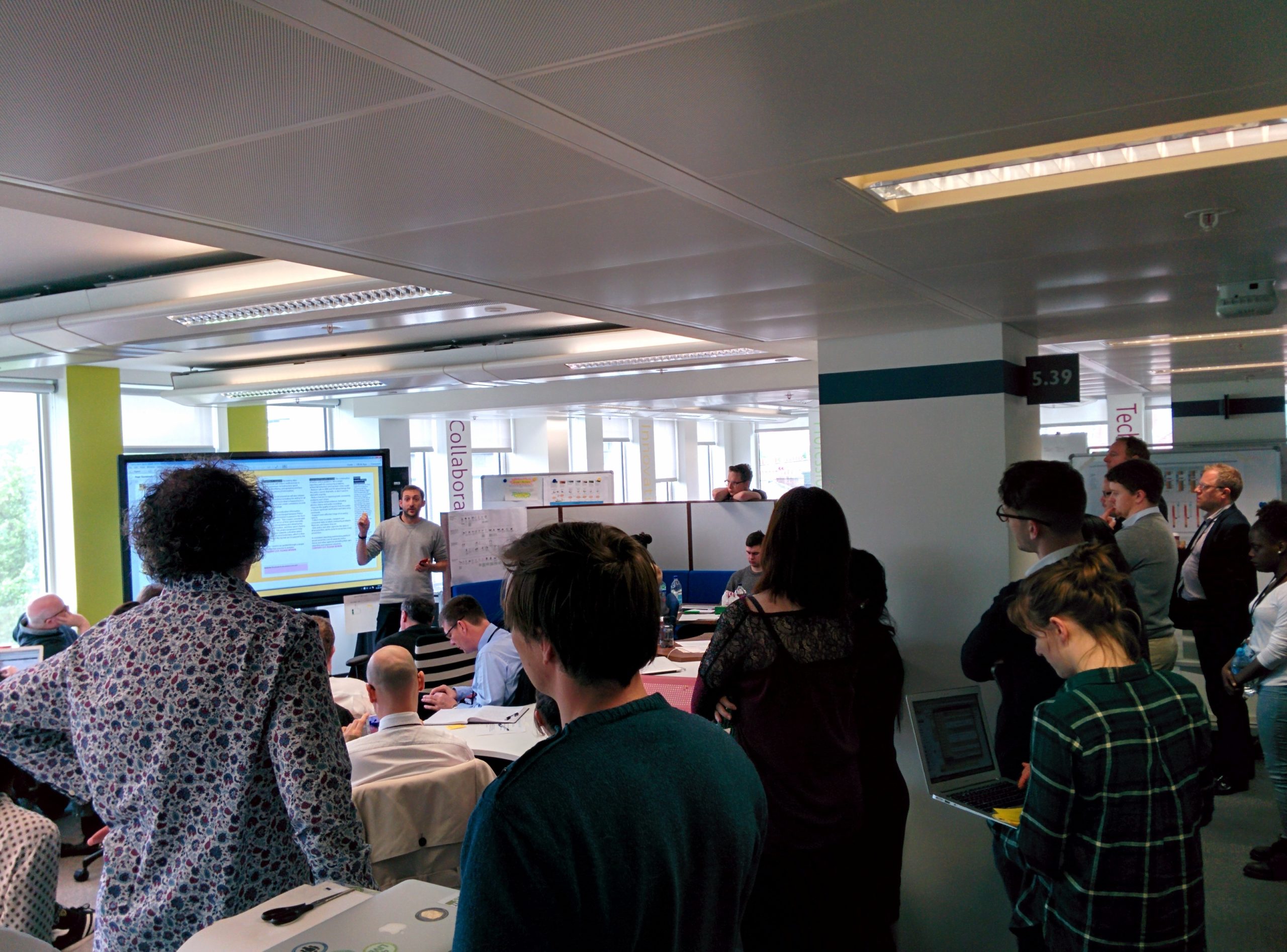
66: Show the thing
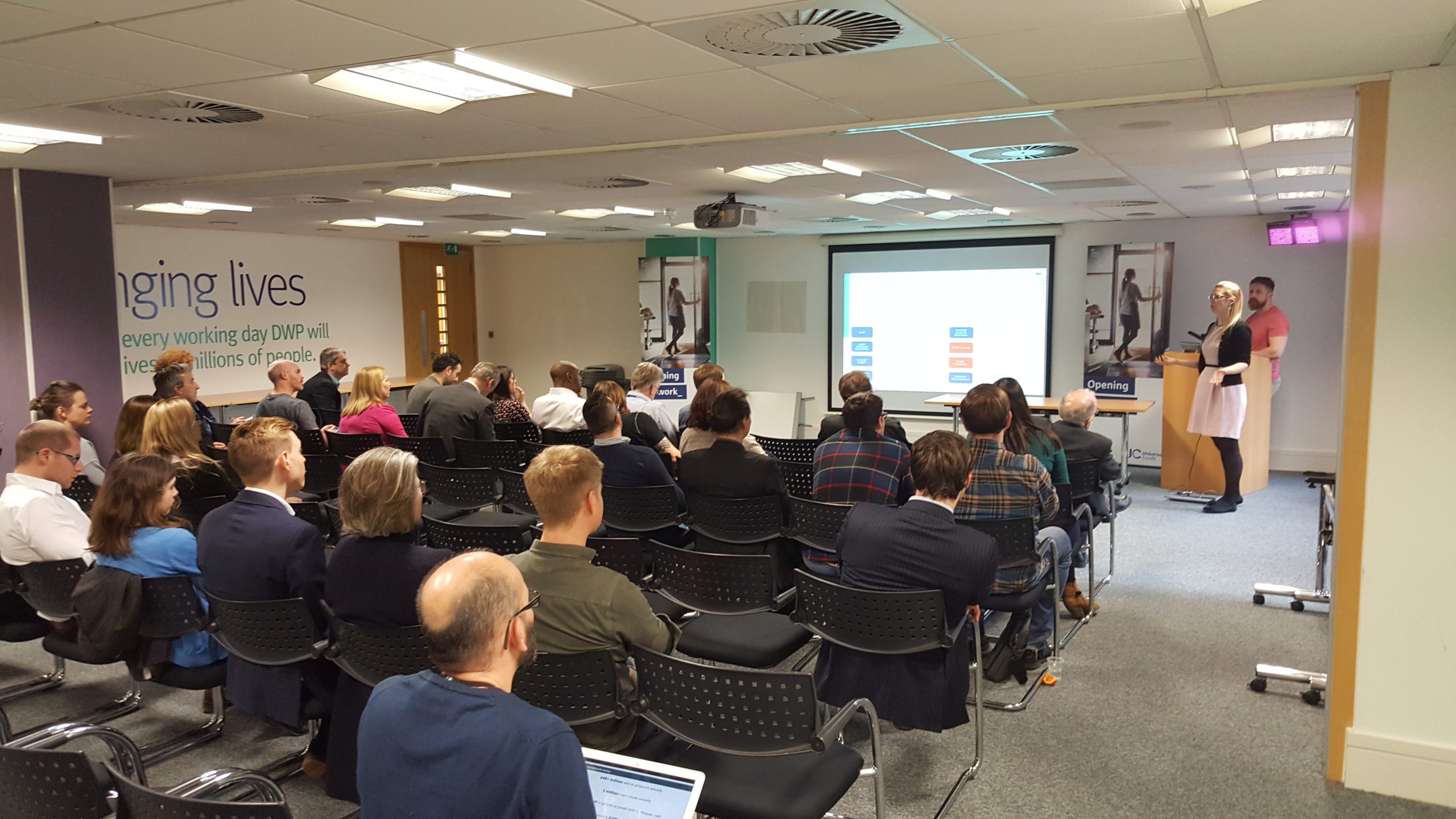
‘Show the thing’ sessions encourage a culture of openness, of sharing information. They create opportunities for peers to learn from each other, thus multiplying the value of the thing created or learned that someone shows.
Here’s a question I’ve been asked recently: Hi Jock, I’d appreciate your advice on working for the GDS and different ministries. I have recently applied for senior positions (Deputy Director and Head of Product) at GDS and another UK government …
How do I make myself more suitable for a senior product role in UK government? Read more
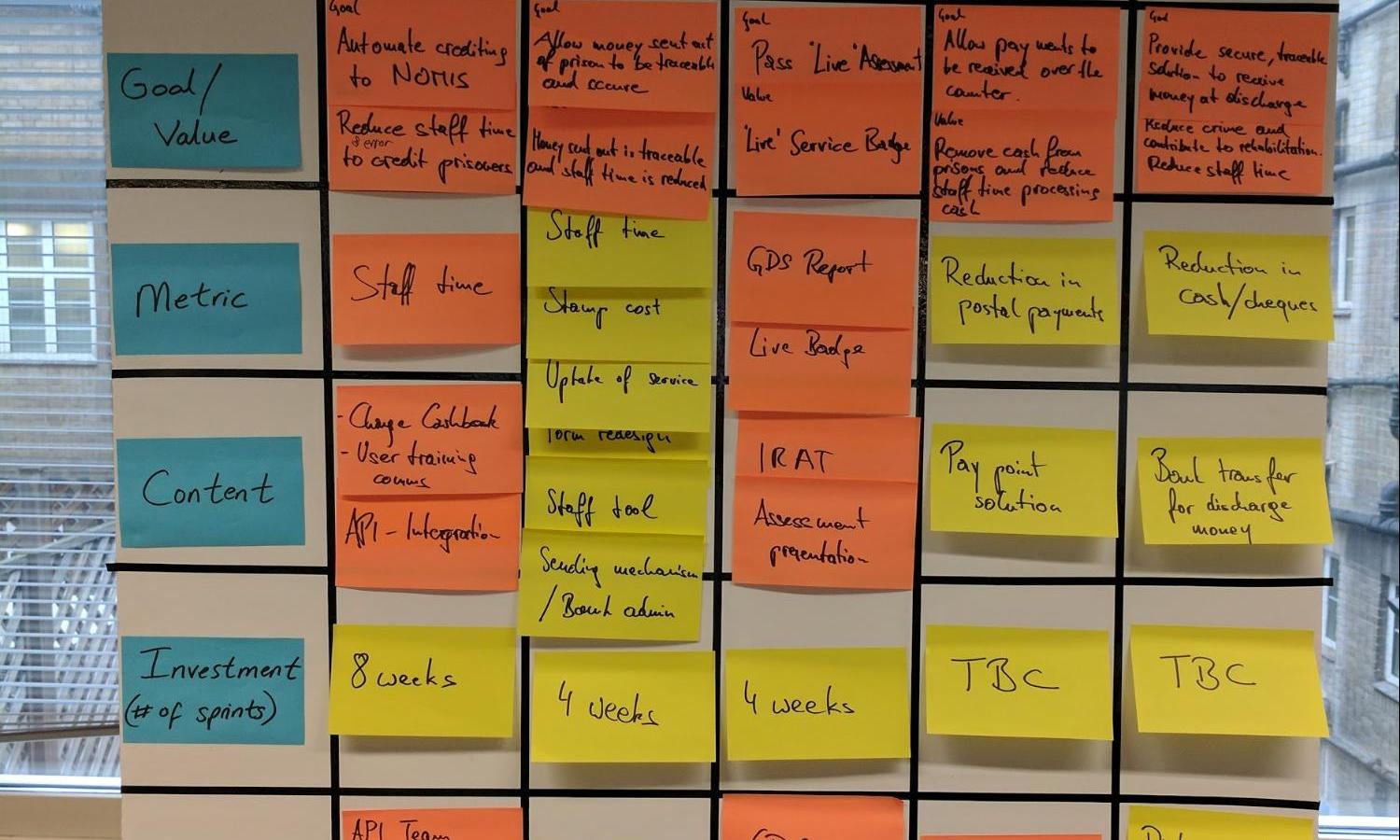
I gave a talk recently about how I’ve been using data and analytics to guide my decisions in product management. I’ve edited the transcript a little and split it into bite-size parts for your entertainment. This final bit tells the secret behind meaningful product roadmaps.
I gave a talk recently about how I’ve been using data and analytics to guide my decisions in product management. I’ve edited the transcript a little and split it into bite-size parts for your entertainment. This bit is about the benefits of open and transparent data.
I gave a talk recently about how I’ve been using data and analytics to guide my decisions in product management. I’ve edited the transcript a little and split it into bite-size parts for your entertainment. This bit is about how UK government digital services gather and use evidence.
I gave a talk recently about how I’ve been using data and analytics to guide my decisions in product management. I’ve edited the transcript a little and split it into bite-size parts for your entertainment. This bit is about why we can’t help jumping to conclusions.
I was recently asked this question:
Do you have a rule of thumb for deciding how much evidence is sufficient for decision making? I often see decisions made on the basis of a sample of one.
Here’s my answer:
I gave a talk recently about how I’ve been using data and analytics to guide my decisions in product management. I’ve edited the transcript a little and split it into bite-size parts for your entertainment. This bit is about expensive and risky assumptions (and why you should check them).
I was recently asked this question:
How would you recommend working with organisations who are used to a traditional / waterfall approach, transition towards agile / iterative development?
Here’s my response:
We have many product-minded people in the Government Digital Service (GDS) and across government, but we’re only just beginning to operate as a product community. I’m currently helping GDS out and have written a post for their blog on how we’re beginning to improve things.