
PRODUCTHEAD: More isn’t necessarily better
» When money is tighter, product people need a better grasp of the financials » AI…
» When money is tighter, product people need a better grasp of the financials » AI…
» When markets are evolving so quickly, your product positioning may need to evolve with them…
» Evals are your way to check your AI is behaving » Writing evals is a…
» AI means product people should focus more on discovery and go-to-market » AI opens the…
» When a measure becomes a target, it ceases to be a good measure » Product,…
» In complex human systems the constraint is often policy, mindset, or coordination, not a single…
» AI frees you up for thinking, learning and judgement » IKEA found €1.3B using AI…
» Avoid ambiguity by speaking plainly » Bring the data, not the verdict » Articulate the…
» Exclusive free giveaways for PRODUCTHEAD subscribers in May » Use genAI to generate possibilities and…
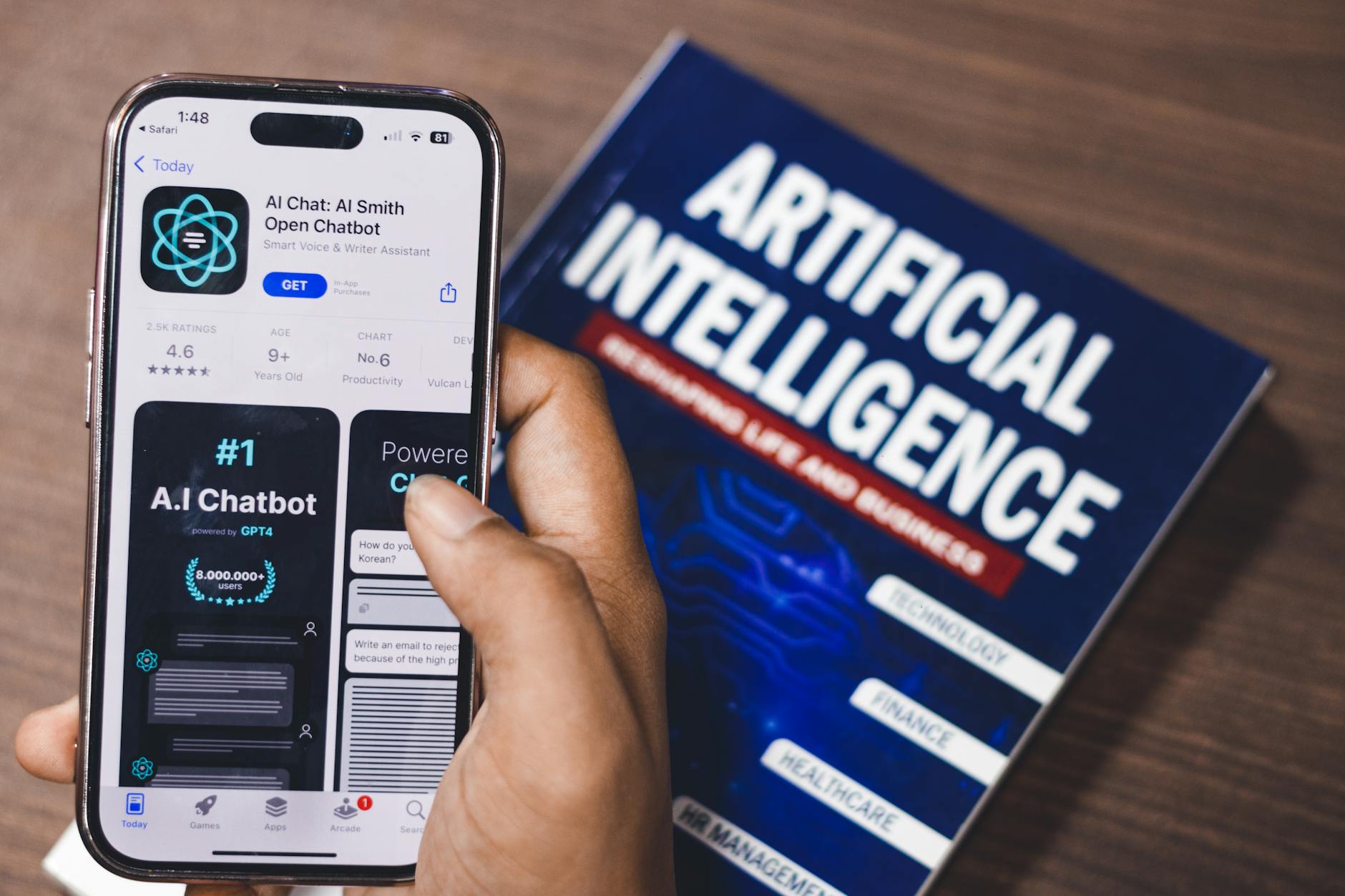
We seem to stuck in a contradiction in which we worry about AI’s effect on our…
