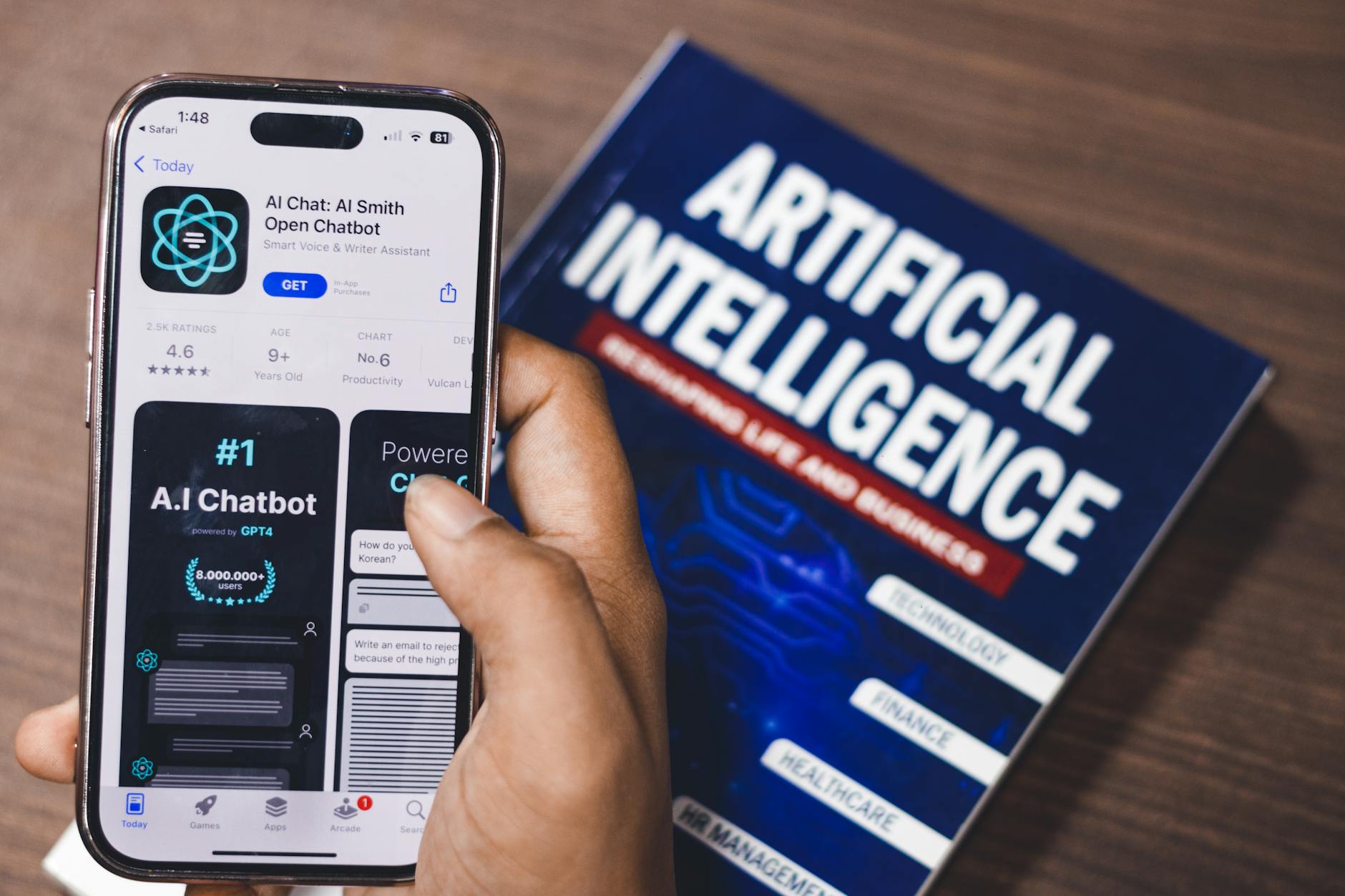
Photo by Sanket Mishra on <a href="https://www.pexels.com/photo/webpage-of-ai-chatbot-a-prototype-ai-smith-open-chatbot-is-seen-on-the-website-of-openai-on-a-apple-smartphone-examples-capabilities-and-limitations-are-shown-16380906/" rel="nofollow">Pexels.com</a>

We seem to stuck in a contradiction in which we worry about AI’s effect on our critical thinking, while finding it equally hard to resist using. Why is that?

» Defend against short-termism by making your team’s strategic thinking visible

» People are increasingly working to live, not living to work

» Teams should only split their Decision Stack when their answers to “How?” diverge

» Repetition and reward are intrinsic to behaviour change in teams

» There’s a balance between motivating people to a goal and killing their enthusiasm with the gory detail

» Just as with users and customers, we need to meet our peers where they are

» In most complex organisations, product supports the organisation’s goals, not vice versa

» Empowered teams can only succeed if the leadership team is on board

» Leaders can’t scale or have all the answers; empowered teams stand a better chance

» Leadership needs to be open and transparent when issuing a “must-do” edict to an empowered team

» Product leadership is continually striving for coherence of approach and clarity of purpose